Why crash diets fail and the weight comes back
Lose ten kilos in a month, gain twelve back by the next season. Here is why that happens and what works instead.
 Dr. Mohib UllahClinical Nutritionist & Dietitian2 min read
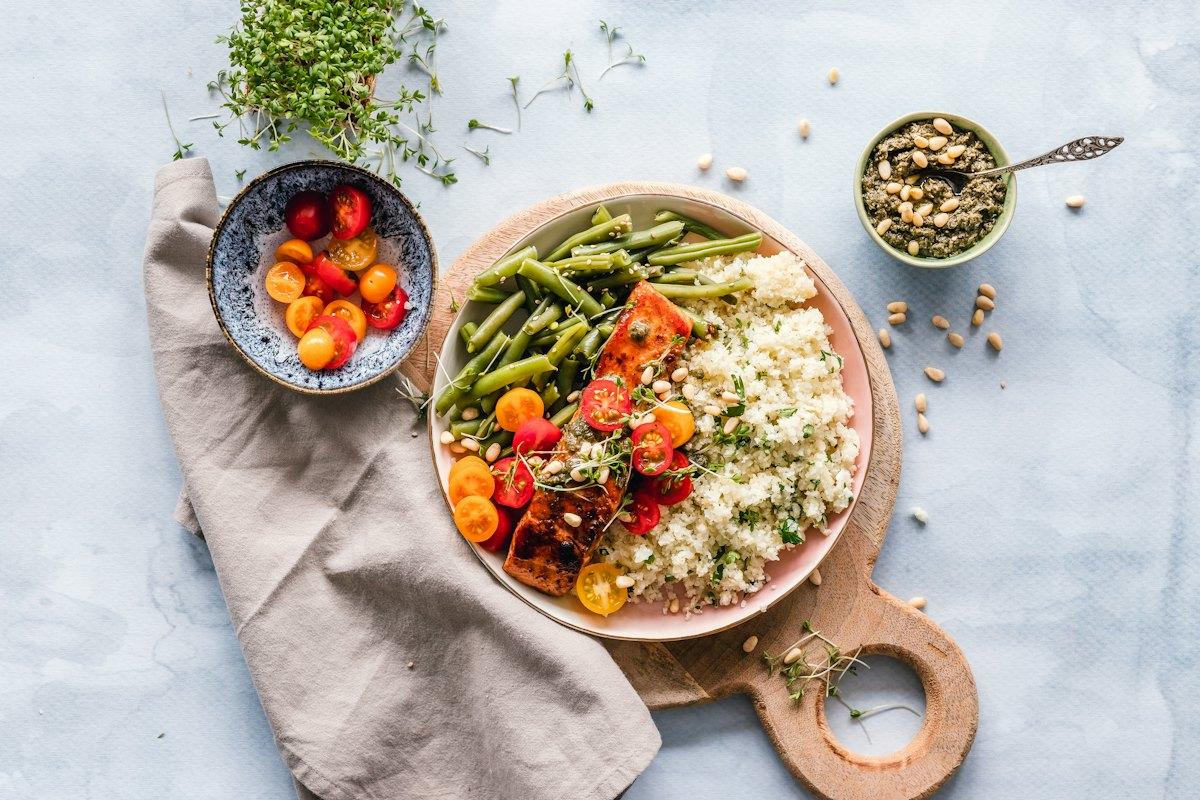
Before a wedding or Eid, many people try a crash diet. Only soup for two weeks. Only fruit. Only green tea and one meal a day. The scale drops quickly, everyone is happy, and then within a few months the weight is back, often with extra.
What really happens on a crash diet
In the first week, much of the weight you lose is water and stored carbohydrate, not fat. When you eat normally again, that water comes back quickly.
Very low calorie diets can also cause loss of muscle. Muscle helps burn energy even at rest, so losing it makes future weight gain easier.
Then there is hunger. When the body is starved, appetite goes up. Most people end up overeating after a crash diet, especially sweets and fried food.
Signs your diet is too extreme
- You feel dizzy, weak or irritable most days
- You cannot concentrate at work or study
- Your hair is falling more than usual
- Women may notice changes in their periods
- You are thinking about food all the time
What works instead
- A moderate calorie reduction you can live with
- Protein at every meal to protect muscle and control hunger
- Regular meals, not skipping
- Vegetables and fibre to fill you up
- Daily movement, even if it is only walking
- Patience, aiming for half a kilo to one kilo a week
Think in seasons, not weeks
Instead of asking how fast you can lose weight before an event, ask what you can keep doing for the next year. That is the weight loss that stays.
If you have been through the cycle of losing and regaining many times, a structured, realistic plan with follow-ups can break it.
Want a plan made for you?
Consult Dr. Mohib Ullah at Sehat Nutrition Care, Ibn-e-Sina Hospital, Alamdar Road, Quetta. Call or WhatsApp +92 371 2296426.
This article is for general education and does not replace personal medical advice. If you have a medical condition or take regular medicines, please consult your doctor or dietitian before making major changes to your diet.
Keep reading
All articlesWeight Loss/2 min read
How to lose weight without giving up roti
Most people think roti is the reason they cannot lose weight. Usually it is the number of rotis, the ghee on top and what sits next to it in the salan.
Read article Diabetes
/2 min read
A simple diabetes meal plan using everyday Pakistani food
You do not need special imported foods to control blood sugar. Daal, sabzi, eggs and roti can work very well if you know the portions and timing.
Read article Healthy Eating
/2 min read
Winter in Quetta: eating habits that quietly add weight
Cold evenings, heaters, dry fruit and endless cups of chai. Quetta winters are lovely, but many people gain three to five kilos without noticing.
Read article