A simple diabetes meal plan using everyday Pakistani food
You do not need special imported foods to control blood sugar. Daal, sabzi, eggs and roti can work very well if you know the portions and timing.
 Dr. Mohib UllahClinical Nutritionist & Dietitian2 min read
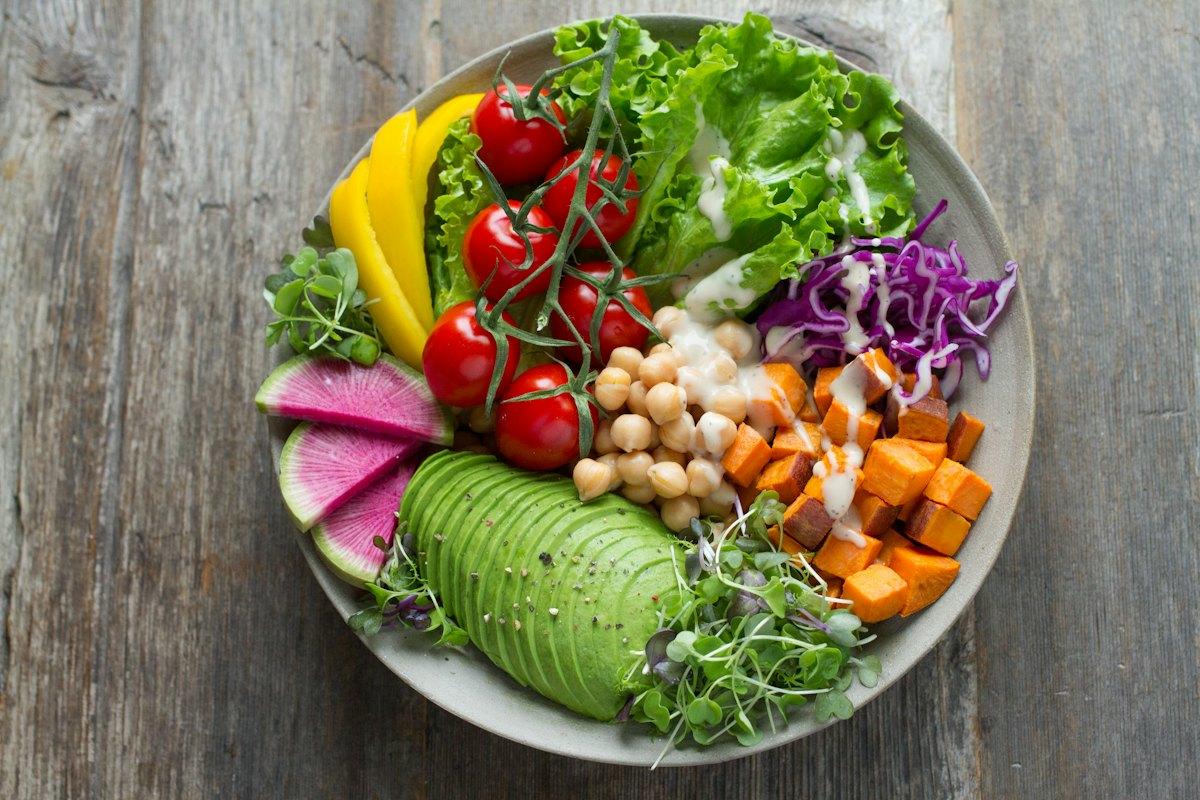
When someone is first told they have diabetes, the family often panics and removes everything from the plate. Rice is banned, fruit is banned, and the patient ends up hungry and frustrated. That approach rarely lasts.
A good diabetes diet is mostly about three things: how much carbohydrate you eat at one time, what it is eaten with, and the gap between meals.
Keep carbohydrates steady
Roti, rice, potatoes, sweets and fruit all raise blood sugar. You do not have to cut them out, but you should keep the amount similar at each meal so your sugar does not jump up and down. One chapati or half a cup of cooked rice per meal is a reasonable place to start for many patients.
Pair carbs with protein and fibre
Eating roti with daal, chana, eggs, chicken or yogurt slows down how fast the sugar enters the blood. A plate of plain rice is very different from a smaller portion of rice with daal and salad.
Do not skip meals
Skipping breakfast and then eating a huge dinner is one of the most common patterns I see. It makes sugar control harder, especially for people on tablets or insulin. Three regular meals with one or two small snacks is usually better.
A sample day
- Breakfast: one chapati, an omelette with onion and tomato, tea without sugar
- Mid morning: one small apple or guava
- Lunch: one chapati, mixed sabzi or daal, cucumber and tomato salad, a small bowl of yogurt
- Evening: a handful of roasted chana or a few almonds
- Dinner: grilled or homemade chicken salan, half cup rice or one chapati, salad
What to cut down
- Sugary drinks, juices and cold drinks
- Mithai, cakes and biscuits with tea
- Large portions of white rice and naan
- Fried snacks like samosa and pakora
Every patient is different. Your plan should match your medicines, your lab reports and your daily routine. Bring your latest HbA1c and fasting sugar to the consultation so we can set realistic targets together.
Want a plan made for you?
Consult Dr. Mohib Ullah at Sehat Nutrition Care, Ibn-e-Sina Hospital, Alamdar Road, Quetta. Call or WhatsApp +92 371 2296426.
This article is for general education and does not replace personal medical advice. If you have a medical condition or take regular medicines, please consult your doctor or dietitian before making major changes to your diet.
Keep reading
All articles Diabetes
/2 min read
HbA1c, fasting sugar and lipids: reading your lab report before your diet consult
Lab reports can look confusing. Here is a simple explanation of the numbers that matter most for your diet plan.
Read article Diabetes
/2 min read
Ramadan with diabetes: sehri and iftar tips
Many people with diabetes want to fast. With the right planning and medical advice, many can do so more safely.
Read article Weight Loss
/2 min read
How to lose weight without giving up roti
Most people think roti is the reason they cannot lose weight. Usually it is the number of rotis, the ghee on top and what sits next to it in the salan.
Read article