PCOS and diet: what actually helps
PCOS advice online is confusing and often extreme. Here is what research and clinical practice actually support, explained in simple words.
 Dr. Mohib UllahClinical Nutritionist & Dietitian2 min read
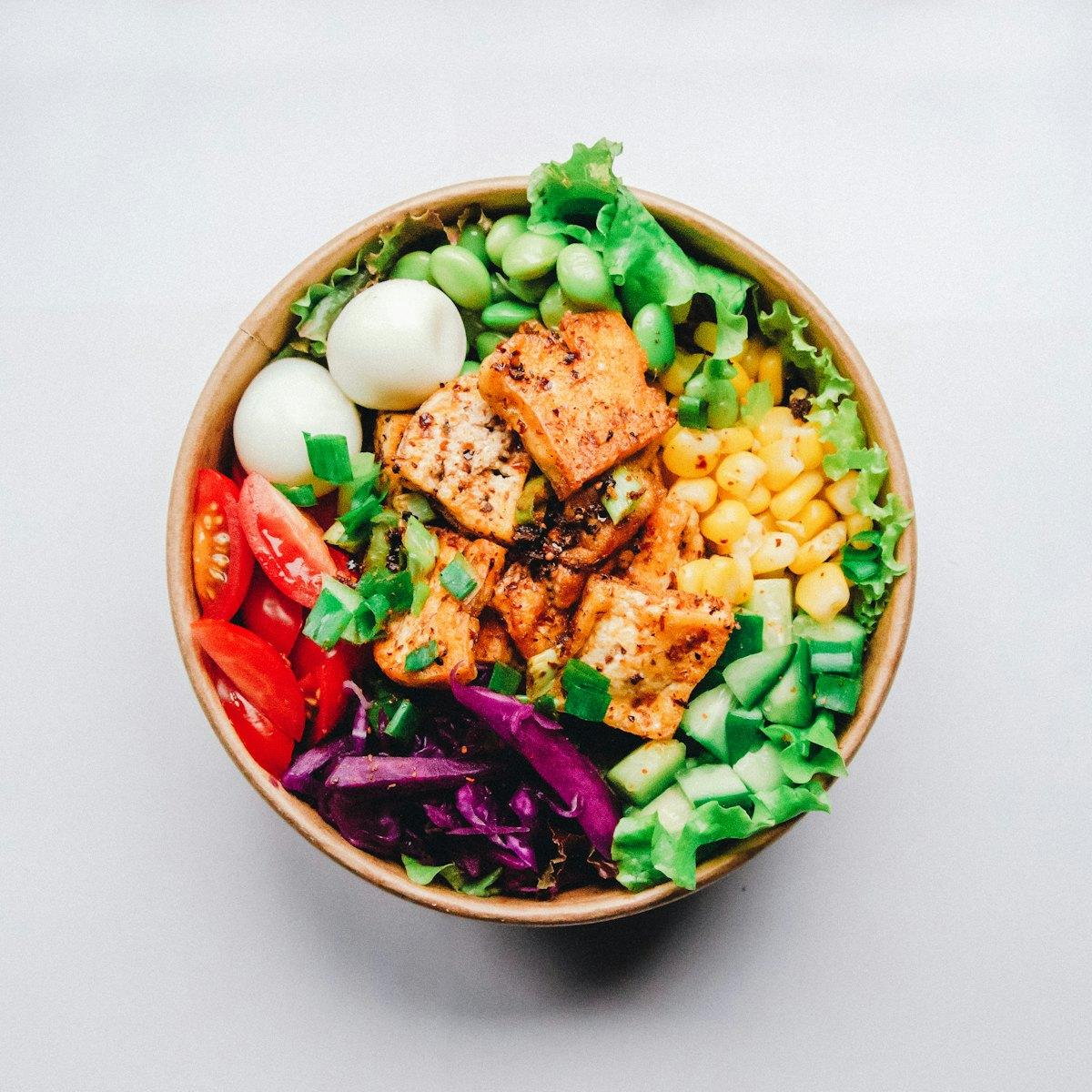
Polycystic ovary syndrome, or PCOS, affects a large number of young women in Pakistan. Many come to the clinic after trying three or four diets they found on social media, each stricter than the last. Most of them are tired and hungry, and their periods are still irregular.
PCOS is closely linked with insulin resistance. That means the body struggles to handle sugar properly, which affects hormones, weight and cycles. Diet cannot cure PCOS, but it can make a real difference.
Small weight loss, big effect
If you are overweight, losing even five percent of your body weight can improve cycle regularity and other symptoms. For a woman who weighs 80 kilos, that is 4 kilos. That is a realistic goal, not a dramatic one.
Focus on steady blood sugar
- Choose whole wheat roti over white bread and naan
- Eat protein at every meal: eggs, daal, chana, chicken, fish, yogurt
- Add vegetables to lunch and dinner
- Cut down sugary drinks, bakery items and sweets
You do not need to stop eating
Very low calorie diets often backfire. They make you hungry, irritable and more likely to binge later. A balanced plan with three meals and planned snacks works better over months.
Movement matters
Regular walking or light exercise improves how the body uses insulin, even before the scale moves. Aim for at least 30 minutes most days.
A word on supplements
Inositol, vitamin D and other supplements are often discussed for PCOS. Some may help some women, but they should be guided by your doctor and your reports, not by an online advert.
If you have PCOS and feel stuck, a personalised plan that considers your weight, reports, routine and goals can help. You are welcome to call or message on WhatsApp to discuss it.
Want a plan made for you?
Consult Dr. Mohib Ullah at Sehat Nutrition Care, Ibn-e-Sina Hospital, Alamdar Road, Quetta. Call or WhatsApp +92 371 2296426.
This article is for general education and does not replace personal medical advice. If you have a medical condition or take regular medicines, please consult your doctor or dietitian before making major changes to your diet.
Keep reading
All articles Women's Health
/2 min read
Tired all the time? Iron deficiency in women and what to eat
Iron deficiency anemia is very common among women in Pakistan. Food choices and timing can make a real difference.
Read article Weight Loss
/2 min read
How to lose weight without giving up roti
Most people think roti is the reason they cannot lose weight. Usually it is the number of rotis, the ghee on top and what sits next to it in the salan.
Read article Diabetes
/2 min read
A simple diabetes meal plan using everyday Pakistani food
You do not need special imported foods to control blood sugar. Daal, sabzi, eggs and roti can work very well if you know the portions and timing.
Read article