Eid ul Adha meat: enjoying it without stomach and BP trouble
After qurbani, most homes eat meat for days. Here is how to enjoy it without the heaviness, acidity and BP spikes.
 Dr. Mohib UllahClinical Nutritionist & Dietitian2 min read
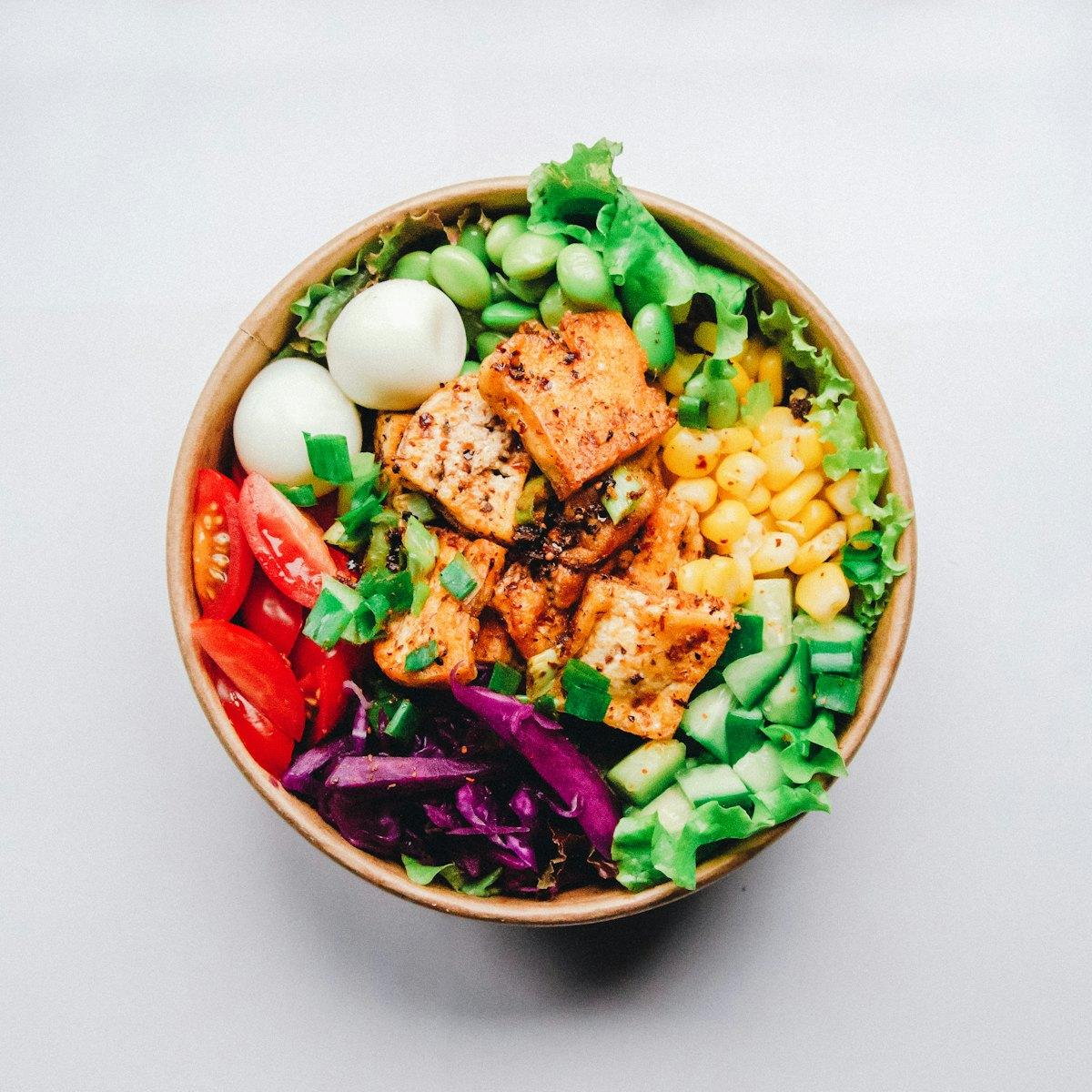
Eid ul Adha is a time of sharing and celebration. After the qurbani, the fridge is full and almost every meal for the next week has meat. For many people this means acidity, constipation, heaviness and, in patients with BP or heart problems, worrying readings.
You can enjoy Eid without these problems with a few simple steps.
Keep the portion reasonable
A portion of cooked meat about the size of your palm is enough for one meal. Fill the rest of the plate with salad, sabzi and a roti.
Cut away visible fat
Remove visible fat before cooking. Skim the oil that rises to the top of the salan. Choose lean cuts for daily meals and keep fatty cuts like ribs for one special dish.
Grill, bake or cook with less oil
Tikka, seekh kabab made at home, and lightly cooked salan with less oil are better than deep fried items and very rich gravies.
Add fibre to every meal
Meat has no fibre. Without vegetables and salad, constipation is common. Raita, cucumber, onions, tomatoes and green chutney help digestion.
Drink water
Eid is often in warm weather. Drink plenty of water during the day. Avoid replacing water with cold drinks.
If you have BP, heart disease or kidney disease
- Keep salt low, especially in barbecue marinades
- Avoid organ meats and very fatty cuts
- Take your medicines on time even during the busy days
- Do not eat meat at every single meal
Share generously
The tradition of distributing meat is also good for health. Freezing a reasonable amount and giving the rest away means you are not tempted to eat it all in one week.
Eid Mubarak in advance. Enjoy the celebrations with balance.
Want a plan made for you?
Consult Dr. Mohib Ullah at Sehat Nutrition Care, Ibn-e-Sina Hospital, Alamdar Road, Quetta. Call or WhatsApp +92 371 2296426.
This article is for general education and does not replace personal medical advice. If you have a medical condition or take regular medicines, please consult your doctor or dietitian before making major changes to your diet.
Keep reading
All articles Heart Health
/2 min read
How much salt is too much? A guide for people with high BP
Most of the salt we eat does not come from the salt shaker. It comes from bread, achar, namkeen and restaurant food.
Read article Heart Health
/2 min read
Ghee, oil or banaspati? What your cholesterol report is telling you
The type and amount of fat you cook with can change your cholesterol numbers. Here is what to use and how much.
Read article Weight Loss
/2 min read
How to lose weight without giving up roti
Most people think roti is the reason they cannot lose weight. Usually it is the number of rotis, the ghee on top and what sits next to it in the salan.
Read article