Sajji, karahi and tikka: how to eat out without wrecking your diet
Eating out with family and friends is part of life in Quetta. You do not have to skip it. A few smart choices make a big difference.
 Dr. Mohib UllahClinical Nutritionist & Dietitian2 min read
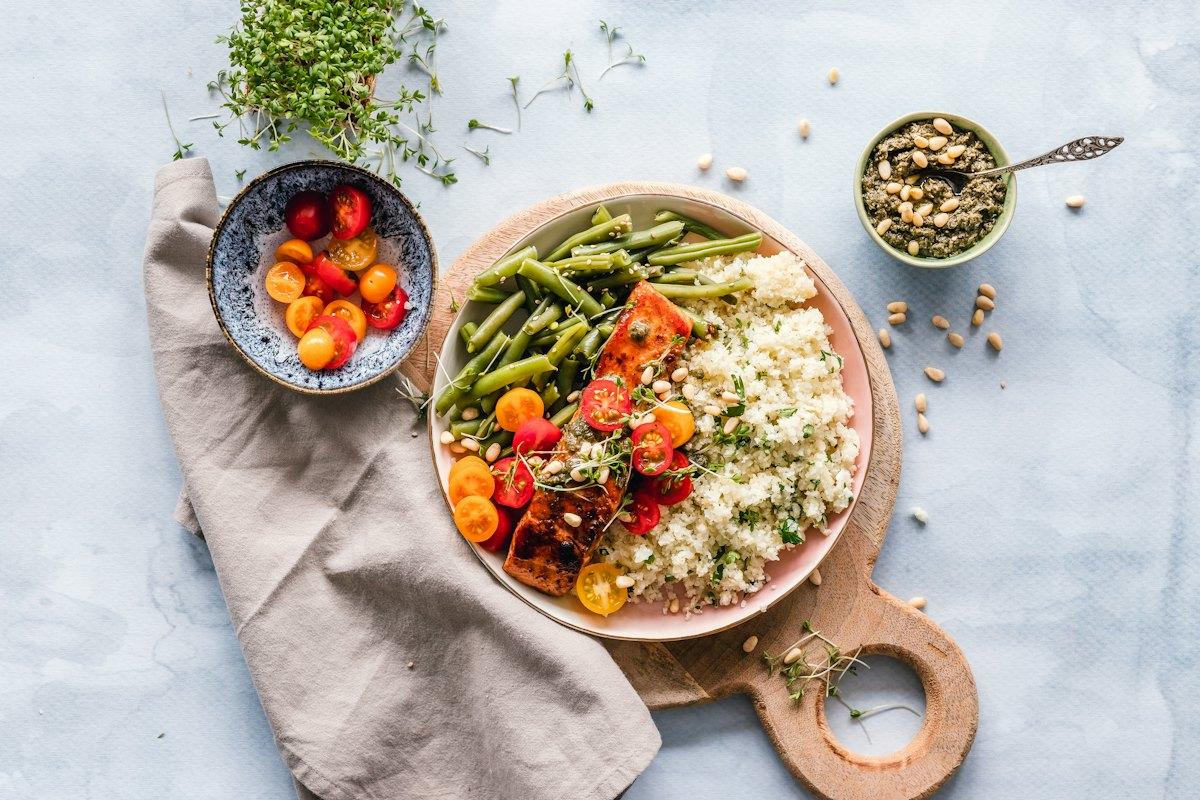
One of the first worries patients share is, "What about weddings and dinners with friends?" In Quetta, eating out is social. Refusing every invitation is not realistic and not necessary.
Here is how to enjoy it while staying on track.
Choose grilled over fried
Sajji, tikka, seekh kabab and grilled fish are better choices than fried items or heavy gravies. They still have oil and salt, but usually less than a karahi swimming in ghee.
Watch the bread
Restaurant naan is large and often brushed with butter or ghee. Share one naan between two people, or ask for a plain roti if available.
Start with salad
Eat the salad and raita first. It takes the edge off your hunger so you eat less of the heavier dishes.
Skip the cold drink
A large cold drink can have more than ten spoons of sugar. Water, plain lassi with less sugar or green tea are better choices.
Be careful with portions of rice
Kabuli pulao and biryani are delicious and also very calorie dense. Take a small portion alongside your meat and salad rather than a full plate.
Plan the rest of the day
If you know a heavy dinner is coming, keep breakfast and lunch light. Have more vegetables, fruit and protein earlier in the day.
Do not try to make up for it by starving
Skipping the next day's meals often leads to overeating again. Just go back to your normal plan the next morning.
Eating out once or twice a week will not undo your progress. Eating out four or five times a week without any thought usually will. Balance is the goal.
Want a plan made for you?
Consult Dr. Mohib Ullah at Sehat Nutrition Care, Ibn-e-Sina Hospital, Alamdar Road, Quetta. Call or WhatsApp +92 371 2296426.
This article is for general education and does not replace personal medical advice. If you have a medical condition or take regular medicines, please consult your doctor or dietitian before making major changes to your diet.
Keep reading
All articles Healthy Eating
/2 min read
Winter in Quetta: eating habits that quietly add weight
Cold evenings, heaters, dry fruit and endless cups of chai. Quetta winters are lovely, but many people gain three to five kilos without noticing.
Read articleHealthy Eating/2 min read
Your daily chai might be the problem: sugar, cups and better habits
Four cups of doodh patti a day with two spoons of sugar each adds up to a surprising amount over a month.
Read article Healthy Eating
/2 min read
Dates, almonds and dry fruits: healthy, but how much?
Dry fruits are full of nutrients, but they are also very energy dense. The right portion makes all the difference.
Read article